
Hospital equipment wishlist
Every year, clinicians and department managers at Langley Memorial Hospital create a list of the most urgent equipment needs. The equipment list covers all departments of the hospital and includes items Fraser Health has no allocated funding to support. With donor funds, however, we can ensure our health care teams get the technology and tools they need to provide excellence in care - today.
-
Part of our $2.1 million Future of Mammography campaign
CT contrast injector: Used to deliver contrast dye during CT scans, helping clinicians visualize tumours and other abnormalities more clearly. One unit needed; $72,800.
Mammography machine: A state-of-the-art imaging system that uses 3D mammography technology to produce clearer breast images while reducing radiation exposure. One unit needed.
Operating room tables: Specialized surgical tables designed to support mastectomy and breast reconstruction procedures. Three units needed; $70,000 each.
Pharmacy equipment: Highly specialized cold-storage refrigerator for short-term preservation of tissue core biopsies and fine-needle aspirations. One needed; $12,500.
-
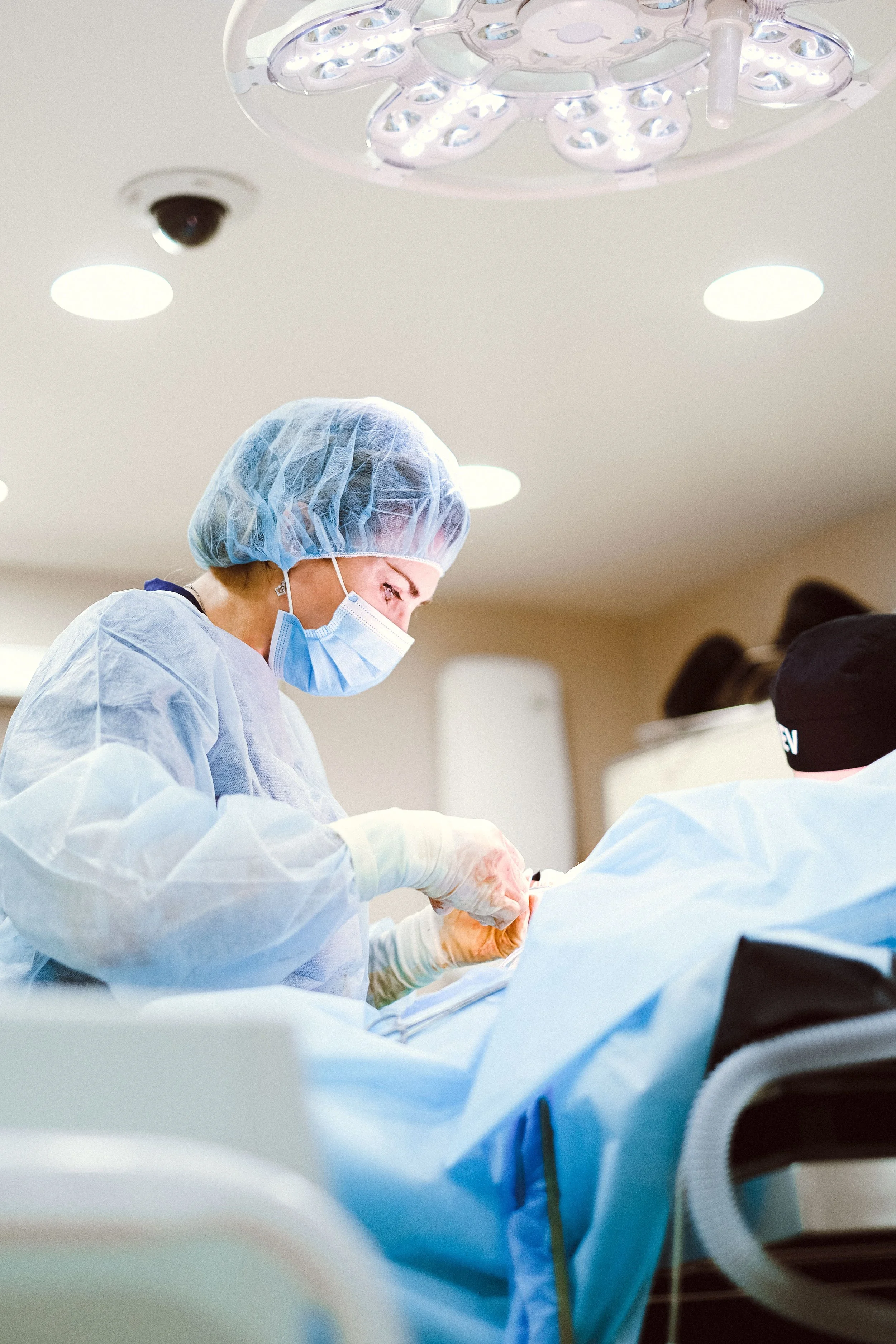
More than 10,000 patients undergo surgery at LMH every year.
Bariatric stretcher: Designed to safely transport and support patients with higher weight capacities. One unit needed; $20,000.
Cardiac Monitor: Used to track a patient’s heart rate, rhythm and vital signs during surgery and recovery. One unit needed; $12,700.
Collet: A holder used to keep surgical instruments securely in place during procedures. Nine units needed; $5,989 each.
ESU cautery machine: An electrical surgical unit used to cut tissue and control bleeding during surgery. Five units needed; $3,000 each.
Gastroscope: Used to examine the esophagus, stomach and upper digestive tract during diagnoses and surgeries. Two units needed; $35,000 each.
Head camera: Allows surgeons to record and stream procedures to improve precision, use in training and collaboration during surgery. One unit needed; $15,700.
Laparoscopic straight needle drivers: Used for precise holding and guiding of suturing needles during minimally invasive procedures. One unit needed; $3,400.
Major ortho set: A set containing the instruments needed for complex orthopedic surgeries and fracture repairs. Two units needed; $5,700 each.
Metal lockers: Used to provide secure storage for staff and physicians in surgical areas. Seventy-two units needed; $708 each.
OR stretcher: Used to transport and position patients during shoulder surgery procedures. Four units needed; $15,200 each.
Orthopedics positioning device: Used to position patients during surgery to improve access and surgical accuracy. One unit needed; $13,000.
Pre- and post-op stretchers: Used daily to safely move and support patients before and after surgical procedures. Four units needed; $19,000 each.
SedLine modules: Software used to monitor brain activity and sedation levels. Two units needed; $1,600 each.
Suction irrigation unit: Used during surgery to irrigate and remove fluids from surgical areas. Five units needed; $4,980 each.
Vital sign monitor: Used to monitor patients’ vital signs in surgical holding areas. One unit needed; $5,000.
Wolf suction unit: Used to provide suction during surgical procedures. Five units needed; $5,000 each.
-
More than XXX seniors live at long-term care residences on Langley Memorial’s campus.
Blanket warmer: Used to provide warmed blankets for patient comfort and care. One unit needed; $15,100.
Bladder scanner: A scanner that uses ultrasound technology to measure bladder volume and help assess urinary retention. One unit needed; $18,300.
Bus: Used to transport seniors to community outings safely and keep them connected to the community. One unit needed; $150,000.
Hygiene chair lift: Helps reduce strain on medical staff while they safely transfer patients during bathing and personal care. Two units needed; $15,000 each.
Lift scale: A ceiling lift scale used to safely weigh patients during transfers. Four units needed; $2,500 each.
LTC beds: Specialized beds designed to support comfort and care for long-term care residents. Ten units needed; $16,500 each.
Pressure mapping system: A system used to assess pressure points and support pressure injury prevention. One unit needed; $26,000.
Rehab bundle: Includes cushion covers, parallel bars, falls mats and transfer belts for rehabilitation programs. One unit needed; $11,500.
Seating Matters tilt wheelchair: A chair that provides special positioning and pressure relief for mobility and safety for seniors. Two units needed; $8,700 each.
Sensory stimulation ceiling-mounted projector: Used to create calming visual experiences for seniors to reduce anxiety. One unit needed; $23,600.
Smart TV with soundbar: For entertainment and group program activities for seniors. Two units needed; $2,000 each.
Tabletop garden: For indoor gardening activities, engagement and purposeful activity. One unit needed; $5,000.
Tilt and geriatric chairs: Chairs with supportive seating that enhance comfort, positioning and mobility for elderly patients. Three units needed; $6,300 each.
Wheelchairs with cushions: Used to provide safe and comfortable mobility support for residents. Twenty units needed; $5,000 each.
-
Bed: Used to provide safe and supportive care for patients during treatment and recovery. Five units needed; $11,000 each.
Bedside table: Used to store personal belongings and essential items within easy reach for patients. Thirty units needed; $1,000 each.
Biliblanket: Used to treat newborn jaundice with therapeutic light therapy. One unit needed; $11,000.
Bililight phototherapy light: Used to provide light therapy treatment for newborns with jaundice. One unit needed; $9,400.
BiPAP ventilator: Used to help patients breathe more effectively during respiratory distress. Four units needed; $45,100 each.
Carboxyhemoglobin monitor: Used to detect carbon monoxide poisoning and monitor oxygen levels. Two units needed; $11,500 each.
CBC Analyzer: Used to process blood samples and measure blood cell counts for diagnostic testing. One unit needed; $99,500.
Contrast injector: Used during CT scans to inject contrast dye for diagnostic imaging. One unit needed; $72,800.
Exam chair: Used to provide safe and comfortable positioning for patients during assessments and treatment. One unit needed; $11,900.
Exercise bike: A stationary bike used for rehabilitation and physiotherapy programs. One unit needed; $5,000.
Fetal monitors: Used to safely track a baby’s heart rate and the mother’s contractions during pregnancy and labour to support safe maternal and newborn care. Five units needed to replace monitors that have been in use for more than 12 years; $40,000 each.
General centrifuge: Used to separate blood and laboratory samples for testing and analysis. Two units needed; $26,000 each.
Home care kit: Includes basic assessment tools such as an oximeter, blood pressure cuff, thermometer and stethoscope for home visits. Fifty-five units needed; $200 each.
iPads: Tablets used for patient communication, recreation and therapy. Three units needed; $1,000 each.
IV Pump: Used to deliver medications and fluids to patients safely. Thirty units needed; $5,657 each.
Mattresses: Supportive mattresses used to improve comfort and patient care. Six units needed; $2,700 each.
Medication carts: Used to store and organize medications for efficient delivery to patients. Sixteen units needed; $8,000 each.
Mental health inpatient beds: Specialized beds designed to support safety and comfort for mental health patients. Nine units needed; $11,000 each.
Ophthalmoscope: Used to examine patients’ eyes and support diagnosis during clinical assessments. One unit needed; $3,000.
Otoscope: Used to examine patients’ ears and support diagnosis during clinical assessments. One unit needed; $3,000.
Overbed table: A movable table for meals, reading and personal items for patients at bedside. Thirty units needed; $600 each.
Oxygen delivery unit: A high-flow oxygen device used to support patients with breathing difficulties during treatment and transport. Three units needed; $9,100 each.
PATH beds: Hospital beds used to support patient care and recovery on the PATH unit. Twenty units needed; $11,000 each.
PATH medication cart: Used to store and organize medications for delivery to patients on the PATH unit. One unit needed; $4,200.
Patient Safety Net Monitor: Used to track patients’ vital signs and alert caregivers to potential changes or emergencies. One unit needed; $25,000.
Plinth table: An examination table used for patient assessments and treatment. One unit needed; $10,000.
Privacy screens: Portable screens used to provide privacy and dignity for patients in care areas. Twenty units needed; Cost pending.
Recliner Chair: Provides patients with comfortable, supportive seating during treatment, recovery and extended care visits. Four units needed; $2,575 each.
Refrigerator: Used to safely store blood testing reagents and laboratory supplies. One unit needed; $20,500.
Servo-Air ventilator: A device used to provide respiratory support to patients who need assistance breathing. Two units needed; $45,100 each.
Stretcher mattress: Used to provide comfort and support for patients during transport throughout the hospital. Twenty units needed; $1,200 each.
Stretchers: Used to safely move and support patients before and after procedures. Four units needed to replace 12-year-old stretchers far past their lifespan. Four needed; $15,200 each.
Transport ventilator: A portable ventilator used to provide respiratory support during patient transport. One unit needed; $49,000.
Transport wheelchair: Used to safely transport patients throughout the hospital and between departments. Five units needed; $7,000 each.
Ultrasound unit: Used to support PICC line insertion and bedside procedures. Two units needed; $26,150 each.
Workstation on Wheels (WOW): A mobile computer station used for patient care and clinical documentation. Three units needed; $6,200 each.
Workstation table: A stainless steel adjustable workstation used in medical device reprocessing. Two units needed; $6,500 each.
For more information on how you can fund a piece of equipment, contact Tim Staunton, Director of Philanthropy, at 672 879 2340 or email tim.staunton@LCHHFoundation.com